


Combining different colors in a room can significantly influence its ambiance, making it an exciting yet challenging task. Whether you’re looking to create a vibrant living room, a calming bedroom, or an inspiring home office, understanding the principles of color theory and how various hues interact is crucial. This essay will delve into the strategies and considerations for mixing different colors in a room to achieve a harmonious and visually appealing environment.
Understanding Color Theory
Color theory forms the foundation for combining colors effectively. At its core, it involves the color wheel, which organizes colors based on their relationships. The color wheel includes primary colors (red, blue, yellow), secondary colors (green, orange, purple), and tertiary colors (combinations of primary and secondary colors).
Color Schemes
There are several color schemes derived from the color wheel that can guide your choices:
Monochromatic: This scheme uses variations in lightness and saturation of a single color. It’s simple and cohesive but can be monotonous if not varied with textures and patterns.
Analogous: This involves colors that are next to each other on the color wheel, such as blue, blue-green, and green. This scheme is pleasing to the eye and serene but offers more variety than a monochromatic scheme.
Complementary: This scheme pairs colors opposite each other on the wheel, like red and green or blue and orange. It creates a high contrast, vibrant look but can be overwhelming if not balanced properly.
Split-Complementary: This variation of the complementary scheme uses one base color and two adjacent tertiary colors of its complementary. It offers strong visual interest without being as intense as a complementary scheme.
Triadic: This scheme uses three colors evenly spaced around the color wheel, such as red, blue, and yellow. It provides a balanced and colorful palette.
Tetradic (Double Complementary): This uses two complementary pairs, offering a rich and diverse palette. It’s the most challenging to balance but can be the most rewarding if done correctly.
Psychological Impact of Colors
Colors have psychological impacts that can affect the mood and perception of a room:
- Red: Stimulates energy and excitement but can be overwhelming in large doses.
- Blue: Calms and soothes, ideal for bedrooms and bathrooms.
- Green: Refreshes and relaxes, reminiscent of nature, making it suitable for any room.
- Yellow: Brightens and energizes, great for kitchens and dining rooms but can be overpowering.
- Purple: Luxurious and creative, perfect for adding a touch of sophistication.
- Orange: Warm and welcoming, good for social spaces like living rooms.
- Neutral Colors (White, Gray, Beige): Versatile and timeless, they serve as excellent backdrops and can be paired with any color.
Steps to Combining Colors in a Room
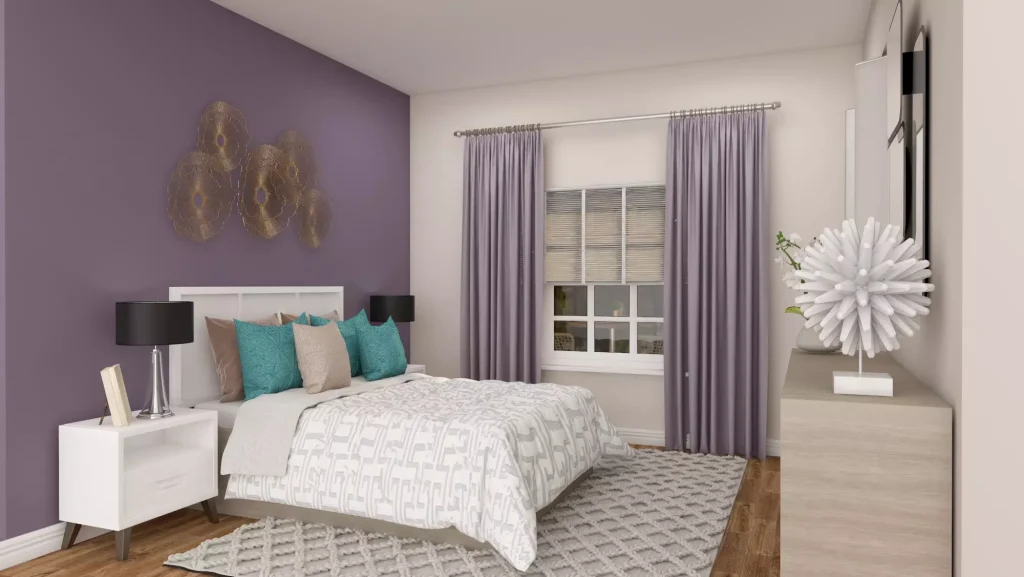
Choose a Base Color: Start with a dominant color that sets the tone for the room. This color will cover the largest area, such as walls or large furniture pieces.
Select Complementary Colors: Based on your chosen color scheme, pick additional colors that will complement the base color. Consider the function of the room and the mood you want to create.
Balance the Proportions: The 60-30-10 rule is a helpful guideline: use 60% of a dominant color, 30% of a secondary color, and 10% of an accent color. This ensures a balanced and cohesive look.
Consider the Room’s Function and Lighting: Different colors work better in certain types of rooms and lighting conditions. For example, bright colors might suit a well-lit living room, while softer hues could be more appropriate for a bedroom.
Incorporate Textures and Patterns: Mixing textures and patterns can add depth and interest to a color scheme. For example, a blue velvet sofa, a patterned rug, and wooden furniture can make a room visually dynamic.
Test Before Committing: Paint swatches and fabric samples allow you to see how colors look in the room’s lighting. Test small areas before making a final decision.
Practical Examples
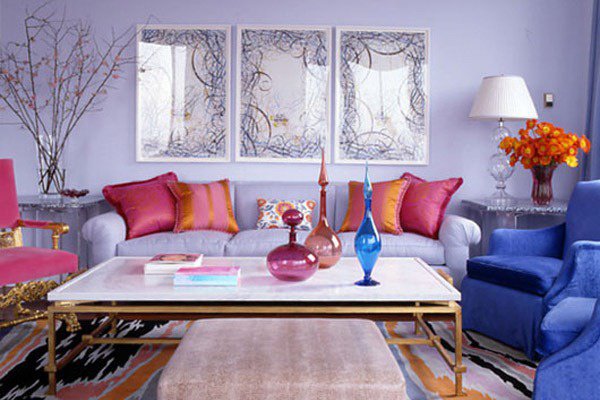
Living Room
For a lively and welcoming living room, consider an analogous color scheme with shades of blue and green. Use a soft blue for the walls, complemented by green furniture and blue-green accents. Incorporate natural textures like wood and plants to enhance the serene and cohesive look.
Bedroom
A calming bedroom could benefit from a monochromatic scheme with variations of blue. Start with a light blue for the walls, adding darker blue bedding and decor. Incorporate white or beige as neutral accents to prevent the room from feeling too cold.
Kitchen
A kitchen can be bright and energetic with a complementary color scheme. For example, pair a sunny yellow with deep blue accents. Yellow walls or cabinets paired with blue accessories or a backsplash can create a vibrant and inviting space.
Home Office
For an inspiring and focused home office, a triadic color scheme could be ideal. Use a combination of red, blue, and yellow in balanced proportions. Consider a neutral base with pops of these primary colors in decor, furniture, and accessories to stimulate creativity and productivity.
Conclusion
Combining different colors in a room is both an art and a science. By understanding color theory, considering the psychological effects of colors, and following practical steps, you can create a harmonious and visually appealing space. Don’t be afraid to experiment and trust your instincts; personal preferences play a significant role in designing a space that feels uniquely yours. With careful planning and a bit of creativity, mixing colors can transform any room into a beautiful and functional environment.
Ready to transform your home or business with a fresh coat of paint?
ElegantPaints is your one-stop shop for all your painting needs. We offer a wide range of services, including:
- Commercial Painting: We can help you create a professional and inviting space for your business.
- Residential Painting: We can paint your entire home, inside and out.
- Epoxy Painting: We can provide durable and long-lasting epoxy coatings for your floors, countertops, and other surfaces.
- Stain Work: We can help you achieve a beautiful and natural wood finish.
- Luxury Custom Work: We can create custom finishes that will make your home or business truly unique.
- Repaint: We can repaint your home or business to give it a fresh new look.
Why choose Elegant Paints?
- We are a team of experienced and professional painters.
- We use only the highest quality paints and materials.
- We offer competitive prices and free estimates.
- We are committed to providing our customers with the best possible service.
Contact us today!


